
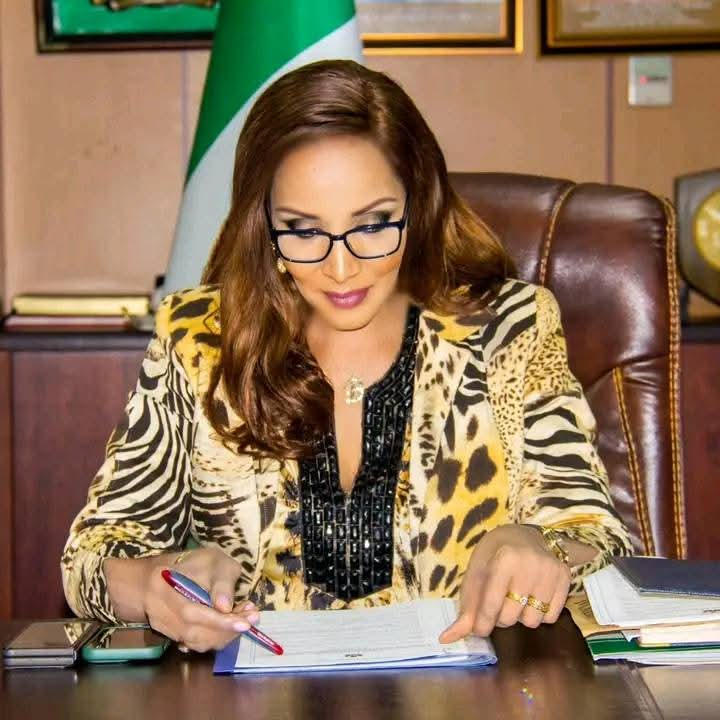
By Raymond Ken-Mbata
FOREIGN AFFAIRS
The Federal Government has facilitated the return of another 33 Nigerians from South Africa amid continuing reports of xenophobic incidents and concerns over the safety of Nigerian citizens in the country.
The returnees, according to an update on the evacuation exercise, are from Delta, Ogun, Imo, Lagos, Enugu, Oyo, Edo, Ondo and Bayelsa states.
The development comes amid reports that two Nigerian citizens, James Uchechukwu Nwankwo and Bishop Taiwo Michael Fakunle, were killed in South Africa in September. The Nigerian Government has condemned the killings and called on South African authorities to investigate the incidents and bring those responsible to justice.
Nigeria has also taken diplomatic and legislative steps in response to the situation. The National Assembly has suspended official visits to South Africa and boycotted legislative activities hosted by the country.
The latest evacuation received financial support from several organisations and individuals. The Private Group of Business Friends of Nigeria funded the return of 26 of the 33 evacuees, bringing its reported contribution to the repatriation of 176 Nigerians from South Africa.
The Nigerian Lawyers Association of South Africa funded the return of five people, while a private individual from Bayelsa State supported the return of three indigenes. The Igbo Lawyers Association South Africa had also recently funded the repatriation of 28 Nigerians.
The Federal Government expressed appreciation to the groups and individuals for supporting Nigerians affected by the situation. It also appealed to state governments that had yet to participate in the repatriation effort to assist their indigenes who had been forced to leave South Africa, sometimes abandoning their properties and sources of livelihood.
The government particularly commended Enugu State Governor Peter Mbah for hosting a reception to welcome returning indigenes.
The evacuation highlights the continuing concerns over the safety of Nigerians living in South Africa and the need for sustained diplomatic engagement to protect their lives, property and livelihoods.