
By Raymond Ken-Mbata
TRANSPORTATION
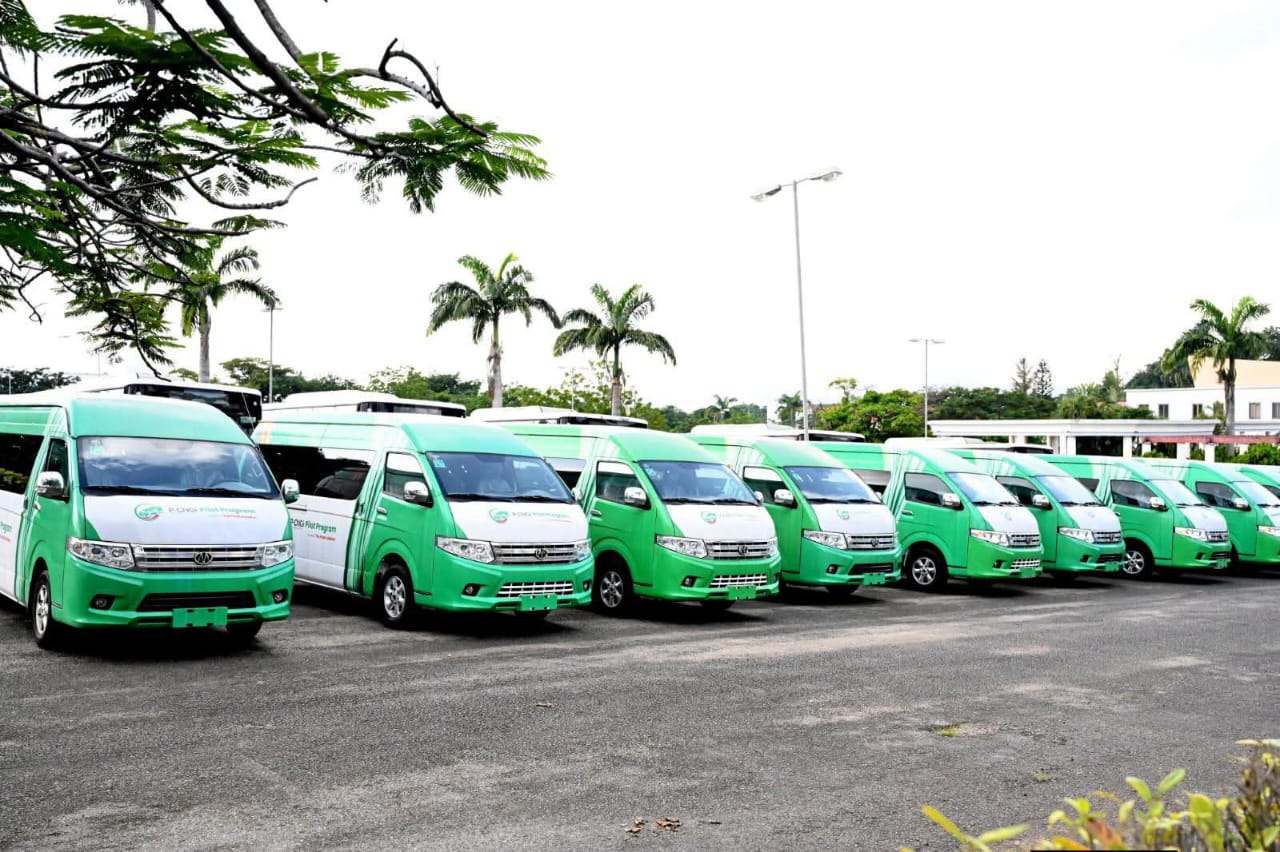
ABUJA – President Bola Tinubu has urged state governments to expand the use of compressed natural gas (CNG) and electric-powered transport services to reduce transportation costs for Nigerians amid rising fuel prices and global energy supply disruptions.
Tinubu, in a statement issued on September 19, 2026, said the Federal Government was working with state governments and other stakeholders to ensure that more Nigerians benefit from lower transport fares under the National Affordable CNG Transit Programme.
The President said the initiative followed a meeting with the 36 state governors on August 27, where they agreed to pursue measurable reductions in transportation costs from October 1.
He cited examples from several states where alternative-energy transport services have already reduced fares. In Borno, some CNG-powered and electric public transport services charge between ₦50 and ₦100 on routes where commercial operators charge between ₦300 and ₦600.
Tinubu also highlighted Kaduna State’s 100 CNG-powered buses, which provide free transportation on major routes. According to him, the buses transported about 3.2 million passengers in their first year of operation, saving commuters more than ₦3.5 billion.
Other examples include a reduction in the Lagos–Ibadan bus fare from about ₦8,000 to ₦3,200 during the initial deployment of CNG buses in Oyo State, while the Enugu–Nsukka fare dropped from ₦2,500 to ₦1,500 following the deployment of 100 CNG buses in Enugu State.
The President said Nigeria had converted more than 120,000 vehicles to CNG, with over 400 certified conversion centres and more than 90 refuelling stations nationwide. He urged states to work with transport unions and commercial operators to expand the services, stressing that savings from cheaper energy must translate into lower fares for passengers.
Tinubu maintained that expanding alternative-energy transport was a more sustainable response to rising fuel costs than returning to the petrol subsidy system, which he said had placed a heavy burden on public finances.
He assured state governments of continued federal support for CNG infrastructure, vehicle conversion and private-sector investment, adding that the priority was to ensure more Nigerians felt the benefits through reduced daily transportation costs.